
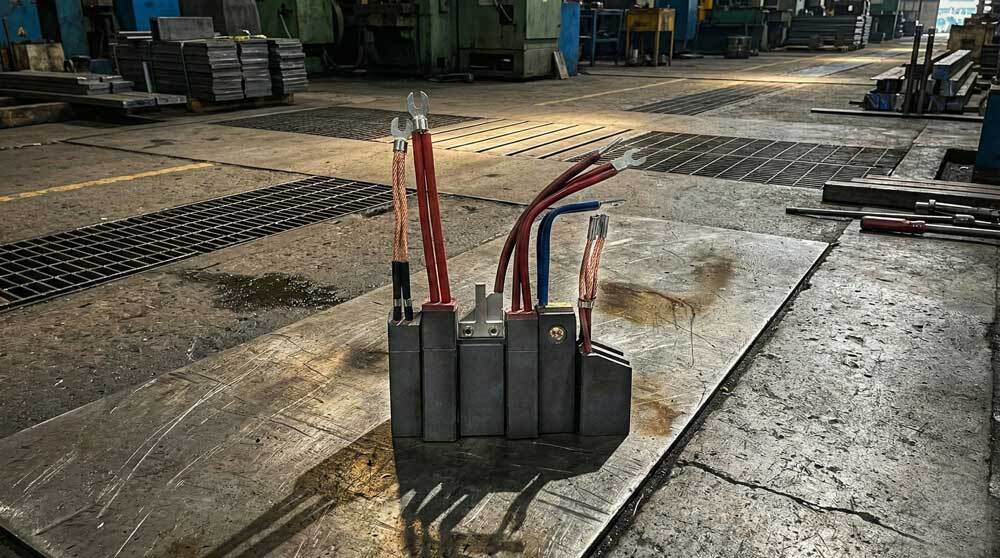
The Real Cost of Carbon Brush Failure
Carbon brush issues may seem minor, but the consequences can be severe:
Excessive heating
Arcing and sparking
Vibration and noise
Premature holder wear
Commutator damage
Unplanned downtime
High maintenance costs
Given the high load and harsh environments in industries like cement, steel, mining, power, and rail, the right brush performance is critical.
Looking for reliable carbon brushes engineered for high-performance industrial conditions? Explore Phynyx Carbon Brushes https://www.phynyxind.com/carbon-brushes/
1. Incorrect Brush Grade Selection
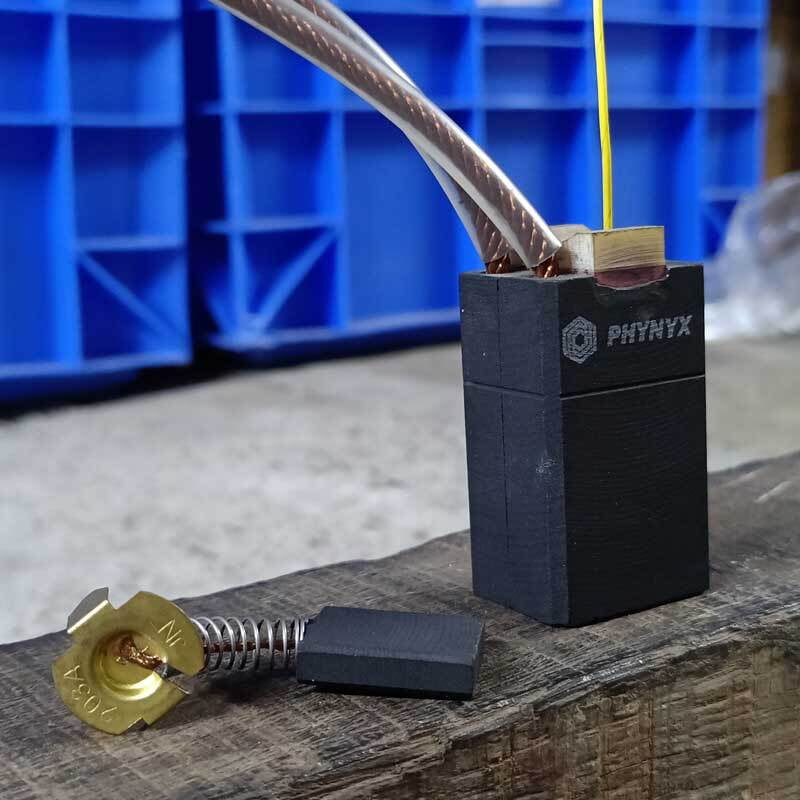
Choosing the wrong brush grade is one of the leading causes of failure.
Why it fails
Grade too soft → rapid wear
Grade too hard → commutator grooving
Wrong resistivity → sparking, overheating
Wrong application type (traction grade used on slip ring motors, etc.)
How to prevent it
Match the brush grade to the motor type, load profile, voltage, and operating environment
Use the manufacturer’s grade list or consult a specialist
Test multiple grades in critical applications
At Phynyx, we custom-match brush grades based on real-world duty conditions, not generic catalogs.
2. Poor Spring Pressure or Incorrect Force
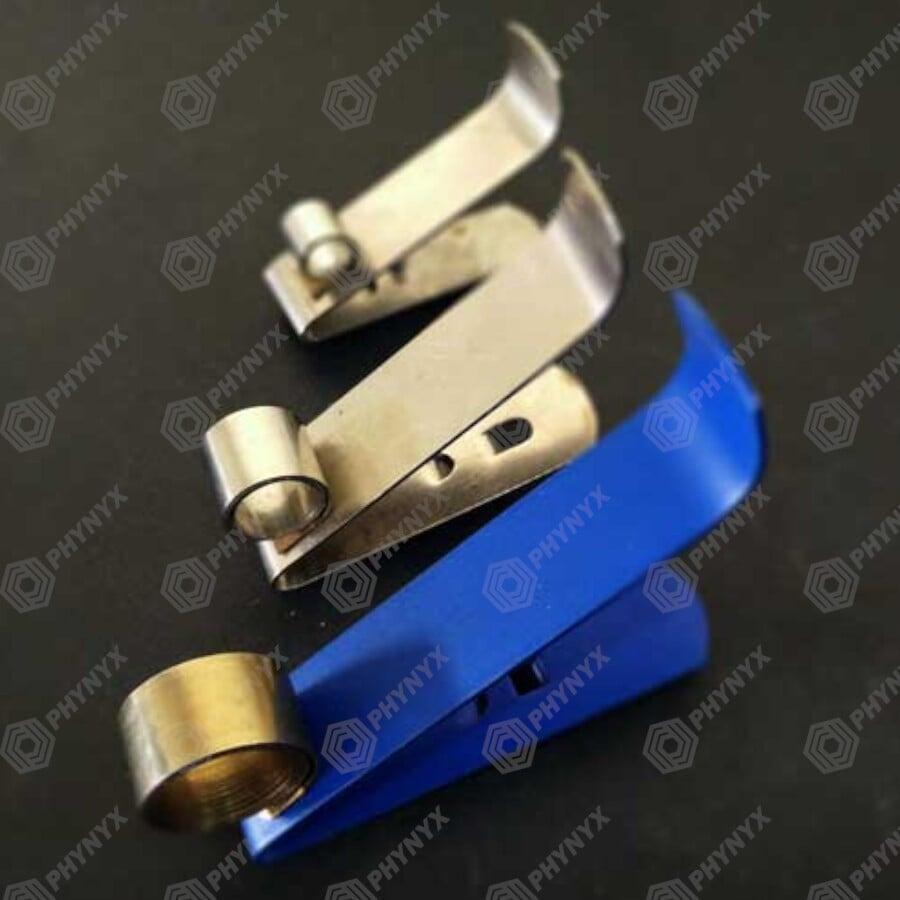
Spring pressure is the unsung hero in carbon brush performance.
Why it fails
Too low → weak contact, arcing, erratic current
Too high → excessive wear, heating, brush chipping
Uneven pressure across poles → multi-directional wear patterns
How to prevent it
Measure and maintain recommended spring force
Replace weak springs (they lose tension over time)
Choose holders with precision-engineered springs
Phynyx designs springs with controlled tolerances to ensure long-term stability even in high-vibration environments.
3. Misaligned Brush Holders
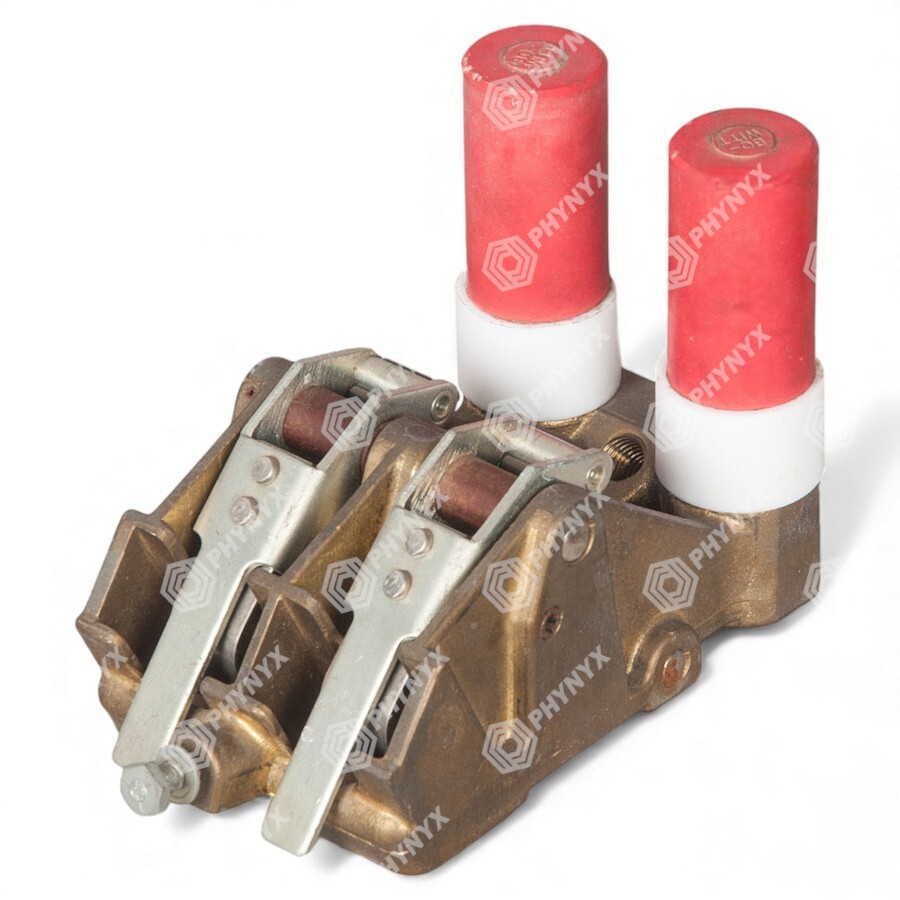
Brush alignment errors account for a majority of real-world failures.
Why it fails
Holder not parallel to commutator
Bent or worn holder arms
Slot width changes due to poor-quality machining
Incorrect mounting during maintenance
How to prevent it
Use high-precision brush holders
Inspect holder alignment during every shutdown
Replace worn or distorted holders
Ensure holders are mounted square to the commutator
Phynyx manufactures holders with tight tolerances to prevent misalignment-driven failures.
4. Dust, Heat, and Contamination
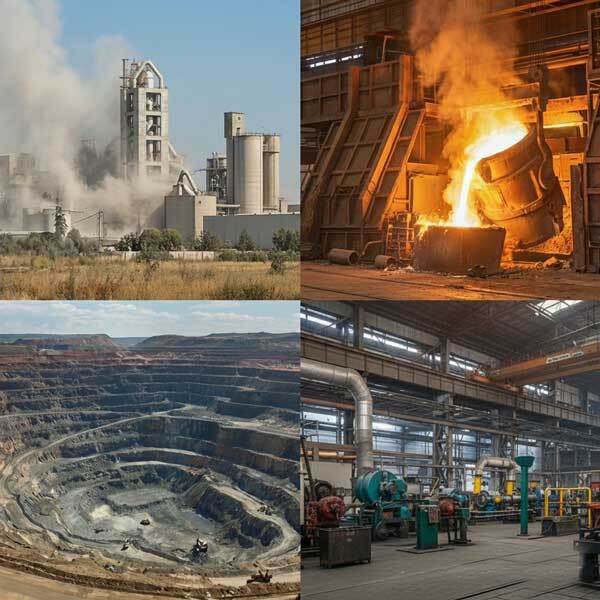
Industries like cement, steel, and mining create harsh environmental conditions.
Why it fails
Abrasive dust enters the holder
Carbon deposits accumulate
Moisture or oil contamination causes tracking
High heat degrades brush material
How to prevent it
Install proper sealing in dusty environments
Clean commutators and holders regularly
Use dust guards where possible
Apply the correct brush grade for high-temperature duty
5. Commutator Issues (Often Misdiagnosed as Brush Failure)

Brushes often get blamed for commutator problems.
Common commutator faults
High mica
Out-of-round commutator
Flat spots
Rough surface finish
Poor undercutting
How to prevent it
Regular turning and undercutting
Surface polishing
Correct brush grade match
Ensuring uniform spring pressure
Brushes run well only when the surface below them is healthy.
Carbon brush failure is rarely about the brush alone.
It is a system-level issue involving grade, spring force, holder alignment, contamination, and commutator condition.
By understanding and preventing these issues, industries can dramatically improve motor life, reduce downtime, and stabilize performance.
Looking for Reliable Carbon Brushes or Brush Holders?
Our team can help diagnose failures and engineer a better solution.
- Submit your RFQ:www.phynyxind.com/rfq
- Contact us: sales@phynyxind.com
Explore our products:www.phynyxind.com/products
Phynyx Industrial Products — Engineering that keeps industries moving.